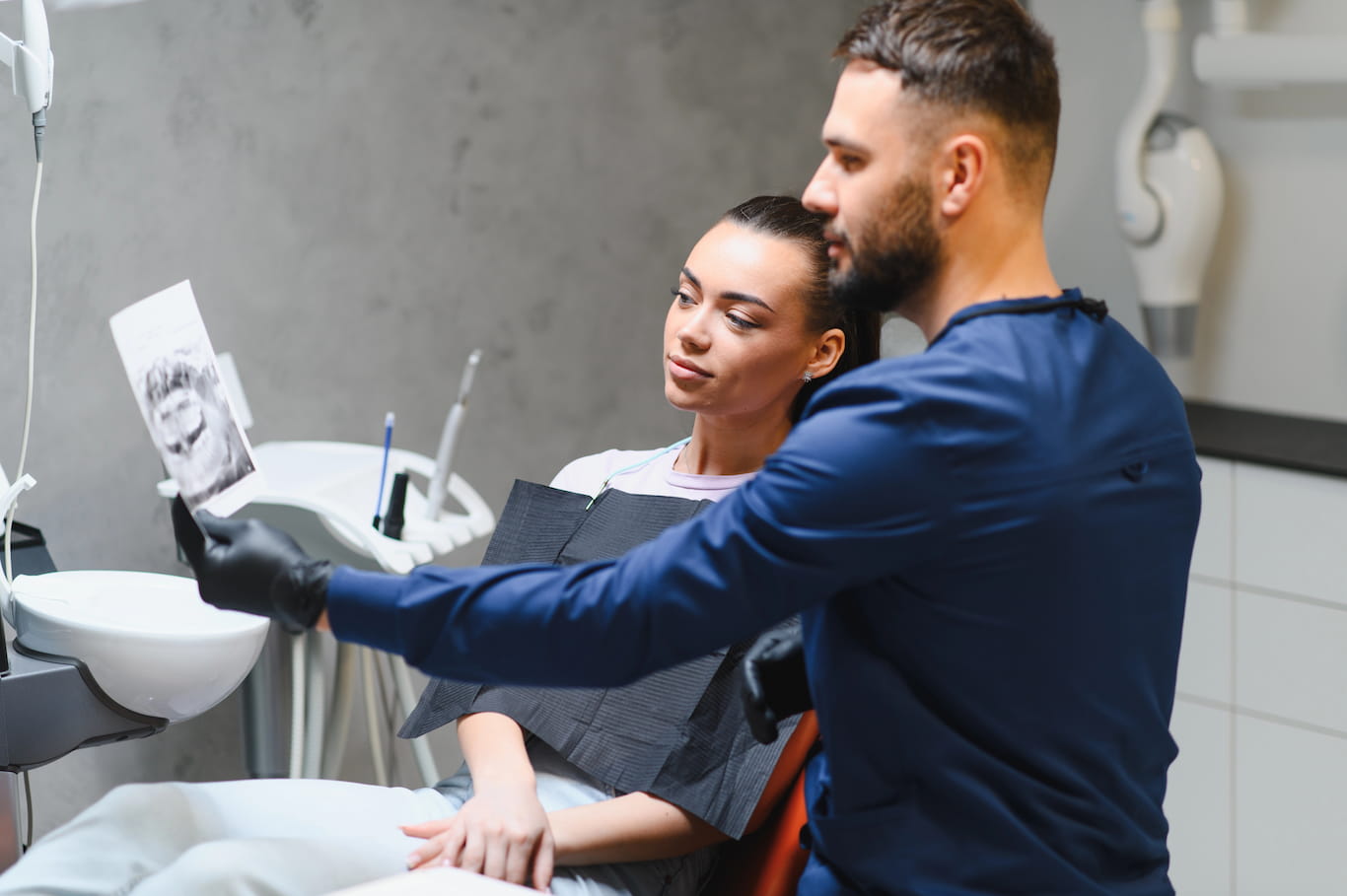
Dealing with dental insurance might seem confusing. However, you should not have to experience stress when accessing good oral healthcare. Benefiting the most from your dental benefits is something you and your family want to achieve. Whether you are planning a regular dental cleaning or restorative treatment, you probably have some questions regarding what your Preferred Provider Organization (PPO) plan includes, how deductibles function, and what payment choices are available if you don't have insurance.
Reviewing your benefits and asking about estimated costs before treatment can help you prepare for your dental visit. At Northridge Advanced Dentistry, we accept a variety of dental insurance plans and offer seamless insurance visits at our clinic.
In-Network Insurance Plans:
- Dentical
- Aetna PPO
- Aetna HMO
- Anthem PPO
- Cigna HMO
- Delta Care USA
- Delta PPO
- Delta Premier
- MetLife HMO
- MetLife PPO
- UHC / DBP Fee Schedule
- GEHA / Connection Dental
- Humana PPO
- Humana Medicare
- Humana EPO
- Liberty PHP
- HealthNet PHP / DentaQuest
Out-of-Network Dental Insurance Plans
We also work with patients who have out-of-network dental insurance benefits. Our office can file claims directly with your insurance provider on your behalf to help you maximise your available benefits.
Depending on your specific plan and coverage, you may be responsible for the difference between our office fees and the amount your insurance company allows. Our team will review your benefits before treatment and help you understand your estimated out-of-pocket costs.
Have questions about your coverage? Contact our office to request a benefits check before your appointment.
Dental Insurance Plans We Do Not Accept
While we work with a variety of dental insurance providers, certain plans may not be accepted at our office, including select Medicaid, state-sponsored, Medicare, DHMO, and other excluded plans.
Insurance participation can vary depending on your employer, specific plan, and coverage details. We recommend contacting our office before your appointment so our team can verify your exact plan and confirm whether it is accepted.
Important: Not all plans offered by the same insurance company have the same coverage or network participation. We verify the specific plan listed on your insurance card rather than relying solely on the insurance company's name or logo. This helps ensure you receive accurate information about your benefits and coverage before treatment.
How Dental Insurance Visits Work
Your dentist should maintain direct contact with your insurance company to ensure the claims process runs smoothly and your financial expectations are clear and predictable. Your dentist checks the details of your policy, estimates your out-of-pocket costs, and handles the claims electronically for you. The step-by-step procedure helps reduce treatment delays and make the most of the dental benefits your PPO plan provides.
Secure Collection of Dental Insurance Card Documentation
Insurance verification starts the moment you enter the dental office. The administrative staff gathers your insurance information through secure channels that comply with the Health Insurance Portability and Accountability Act of 1996 (HIPAA) and requests clear photographs of both the front and back of your physical card.
This procedure enables you to accurately enter all key details into your digital file, including your primary subscriber identification number, group policy code, electronic payer ID, and the carrier's claims address. Bringing accurate, up-to-date documents can help reduce verification delays and billing errors.
Verifying Eligibility, Deductibles, and Remaining Plan Benefits
When the documentation for your card has been received, the billing team contacts your insurance company directly to perform an eligibility audit. Instead of depending on general summaries, the staff reviews the specific clauses in your policy.
Your dentist checks your current enrollment status, the balance of the annual benefits you still have, the amount of your deductible you have already met, and any frequency restrictions that may apply to cleanings or examinations. Reviewing your benefits before your visit can help you understand which recommended services your plan may cover.
Reviewing Your Estimated Costs Before Treatment
In Northridge, transparency is at the heart of all the clinical recommendations. After you have completed your full oral examination and diagnostic imaging, the practice will prepare a personal treatment plan that clearly lists all recommended dental procedures.
With the clinical information comes a written financial estimate before treatment. This estimate includes the standard practice fee, the percentage that your insurance plan is expected to pay, and your estimated out-of-pocket copayment or coinsurance amount.
Advance Insurance Reviews and Pre-Authorizations for Major Care
When it comes to extensive restorative treatments, such as custom dental crowns, fixed prosthetics, surgical extractions, and dental implants, the administrative staff conducts an in-depth insurance review called pre-authorization or predetermination. The practice then prepares and sends your suggested treatment plan, along with the relevant diagnostic digital radiographs, periodontal charting measurements, and full clinical narratives, directly to your insurance company's dental review board.
The process confirms whether the carrier considers the procedure medically necessary in accordance with your policy guidelines. Still, a predetermination does not amount to a legally binding assurance of the final payment. Final claim payments always take into account your remaining benefit balance and your active policy eligibility on the date the services are provided.
Comprehensive Post-Appointment Electronic Claims Processing
As soon as your dental appointment is over, the administrative department takes charge of the claims submission process. The office sends your claims electronically in accordance with the standard ADA dental claim format to ensure they are delivered quickly and processed promptly.
Submitting the supporting documents your insurer requests may help reduce processing delays and requests for additional information. Before treatment, ask what payment is due at your visit and how any remaining balance will be handled after your insurer processes the claim.
How PPO Plans Can Reduce Dental Treatment Expenses
Dental insurance is a type of cost-sharing agreement intended to reduce the amount you have to pay for necessary dental care. Many Preferred Provider Organisations (PPOs) offer different reimbursement rates based on the type of dental treatment. Your PPO benefits depend on your plan and the treatment you need.
Preventive Appointments and Diagnostic Care (80% to 100%)
Routine preventive dental care helps you maintain good oral health throughout your life. Your plan may help cover regular preventive visits. If you arrange for diagnostic and preventive visits in Northridge, your PPO plan may help cover the cost, depending on your benefits.
Most policies pay for these services at 80% to 100% of the contracted fee schedule, based on the standardized diagnostic codes, which cover periodic oral examinations and adult prophylaxis cleanings.
In numerous cases, the insurers drop your annual deductible completely for preventive visits, so you can keep having routine appointments without having to pay an initial deductible. Regular cleanings remove calcified plaque, and thorough clinical examinations can identify early signs of enamel wear, gum disease, and other health warning signs before they become serious issues.
In accordance with the standard dental contracts and disclosure rules set up by the California Department of Managed Health Care (DMHC) and by the California Department of Insurance (CDI) under California Insurance Code section 10603.04, the preventive and diagnostic services include:
- Routine, comprehensive, and periodic oral evaluations
- Biannual prophylaxis cleanings to remove plaque and tartar
- Diagnostic bitewing and panoramic digital radiographs
- Preventive fluoride applications and protective dental sealants for eligible dependents
Basic Restorative Care: Fillings and Simple Extractions (70% to 80%)
If a cavity extends into your enamel or you crack a tooth, you should receive basic treatment as soon as possible to prevent infection. Receiving prompt treatment for small cavities helps preserve as much of the natural tooth structure as possible and reduces the need for further restorations.
In standard PPO plans, insurers consider resin-based composite restorations and routine, non-surgical tooth extractions to be basic care. Some PPO plans may pay approximately 70–80% of the allowed fee for covered fillings and simple extractions after you meet your deductible. The allowed fee is the amount your plan uses to calculate benefits.
Your plan may require you to meet an annual deductible before it pays benefits for basic restorative care. Ask how much of your deductible remains, what percentage your plan may pay toward the covered treatment, and what your estimated share will be.
Major Restorative Care: Crowns, Bridges, and Dentures (Approximately 50%)
Major dental treatments are sophisticated restorative procedures designed to repair damaged teeth, replace missing ones, and help you chew comfortably again.
Generally, PPO plans classify custom porcelain crowns, fixed bridges, complete dentures for the upper and lower jaws, partial removable prostheses, and detailed periodontal therapies as major treatments. Your PPO plan may cover approximately 50% of the allowed fee for eligible major procedures, subject to any applicable deductible. Your estimated share depends on your plan’s benefits, limits, and exclusions.
In addition, if you buy a single dental policy instead of receiving coverage through an employer-sponsored group plan, your contract could include a mandatory waiting period. Such waiting periods usually last between 6 and 12 months from the date when your coverage becomes effective, and during that time, the insurance company cannot pay for major restorative treatment.
By checking in advance what the waiting-period limitations are before arranging any treatment, you can properly plan your multi-stage reconstructive dental procedures.
Annual Benefit Maximums
Dental insurance is different from medical insurance in one important respect. That is, it has an annual maximum. Your dental plan may have an annual benefit maximum; that is, the most it will pay toward covered dental care during your benefit year.
Traditional dental plans set an annual allowance of between $1,000 and $2,000 per enrollee. When the cost of the treatments you have received reaches this financial limit, the insurance company stops making any more payments, and you then pay for any additional clinical charges until the benefit year starts again on January 1st.
Orthodontics and Implant Limitations
Specialized clinical treatments, including orthodontic alignment and surgical dental implants, are subject to specific policy limitations. Most PPOs completely exclude dental implants or limit coverage to the custom crown, refusing to cover the surgical post. Orthodontic treatment usually has a separate, one-off lifetime limit that does not renew each year and thus requires thorough financial checking before orthodontic bands or clear aligners are fitted.
These percentages are general examples only and are not guaranteed benefits or a quote. Your actual coverage depends on your specific insurance plan, policy limitations, exclusions, remaining benefits, and benefit determination.
Paying for Services Outside Dental Insurance
You should not have to rely solely on dental insurance to access good dental care. If you do not have active dental coverage or your plan is not part of the participating agreements, structured payment options are available to cover the gap.
Self-Pay Fees
If you do not have active dental insurance, contact your dental clinic to ask about paying for your treatment directly. The practice provides confirmed self-payment fee schedules, which give clear and predictable prices for all diagnostic, preventive, and restorative treatments.
If you choose to pay directly, you avoid having to meet insurance deductibles, go through complicated claim submissions, and deal with policy limitations. Before treatment, request a written estimate of your self-pay costs and ask what could change the final amount. You can pay your bill easily with cash, a personal check, a debit card, or a major credit card.
Dental Membership Options
If you or your family do not have dental insurance, ask whether the clinic offers an in-house membership plan. If a plan is available, review its annual fee, including preventive services, treatment discounts, and limitations before joining.
Key advantages of an in-house membership arrangement include:
- Complete absence of annual benefit maximums, allowing unlimited necessary care
- Zero waiting periods, granting immediate eligibility for restorative treatment discounts
- Total elimination of deductibles, claim forms, and pre-authorisation requirements
- Comprehensive preventive care coverage, including exams, cleanings, and diagnostic radiographs
Financing Options
When large financial outlays are involved in major restorative or cosmetic dental treatments, third-party healthcare financing is an effective way to manage the amounts owed. Northridge Advanced Dentistry works with well-known patient financing companies, for example, CareCredit, to provide flexible repayment options. If financing is available and you qualify, you can divide your treatment costs into monthly payments.
Several promotional schemes offer zero-interest periods of 6, 12, 18, or 24 months, provided the balance is paid in full within the specified time frame. If a longer payment plan is available, ask about its costs, repayment terms, and eligibility requirements before applying.
Confirm Fees Before Booking
Since people's financial situations and specific treatment needs differ, you should always ask the administrative staff to check the current self-payment fees, accepted payment methods, and financing terms before booking an appointment. By reviewing these financial arrangements in advance, you can ensure that your experience is smooth and tailored to your financial circumstances.
What to Bring to Your Dental Appointment
Coming prepared for your dental visit can help you complete check-in more efficiently. Accurate verification documents prevent billing delays and keep your records completely aligned with your financial and insurance profiles. Before arriving at the Northridge office for your appointment, ensure that you bring the following essential items:
- A valid government-issued photo identification card, such as a California driver's license, state identification card, or current passport
- Your physical or digital dental benefits card displays legible policy information on both the front and back
- The full legal name of your employer, if your dental insurance is supplied through an employer-sponsored group plan
- Complete subscriber details, including the primary policyholder’s legal name, birthdate, and Social Security (SSN) or member ID number
Frequently Asked Questions (FAQ)
Can I use Delta Dental, Cigna, MetLife, or Aetna in Northridge?
If you have a PPO plan through Delta Dental, Cigna, MetLife, or Aetna, contact your dentist to confirm whether you can use your benefits at the office. Ask whether the office can verify your benefits and submit claims for your specific plan. Your insurer determines the benefits payable under your policy.
Is Northridge Advanced Dentistry in-network with my plan?
We work with most PPO insurance plans. Because coverage details depend on your specific insurer, give our team a quick call, and we will happily verify your benefits for you. Even if we are out-of-network with your particular plan, you can still use your PPO benefits here; we handle all the paperwork and file the claims on your behalf to keep your out-of-pocket costs as low as possible.
Can I have my dental insurance benefits verified before my appointment?
Before booking, ask whether the office can verify your benefits. Have photos of both sides of your insurance card ready, along with any subscriber details the office requests. Ask for a summary of your deductible, remaining annual benefits, and relevant coverage limits. The team will carry out an audit of your coverage tiers, deductibles, and remaining limits and will then give you a clear summary before the start of your clinical appointment.
Can I use an HMO or DHMO plan?
Northridge Advanced Dentistry primarily operates as a private PPO and fee-for-service provider. Since DHMO schemes require that patients be assigned to a fixed list of clinics, the practice does not participate in capitated Dental Health Maintenance Organisation (DHMO) or closed-panel HMO networks. If you have an HMO or DHMO plan, confirm whether the office accepts your coverage. If your plan is not accepted, ask about self-pay treatment and any available membership or financing options.
Can I receive treatment if I have Medi-Cal or Medicare?
The practice is not operating as an authorized provider within the Medi-Cal Dental Program. It also does not submit bills to traditional fee-for-service Medicare because, under Section 1862(a)(12) of the Social Security Act, routine dental care is excluded. If you have Original Medicare, routine dental care is generally not covered. Medicare.gov explains that certain dental services directly related to covered medical treatment may qualify for coverage.
What happens if I have used my annual maximum?
Once your dental expenses go beyond the annual maximum set out in your plan, the insurance company will cease to pay for benefits for the remainder of that calendar year. For non-urgent restorative treatments, the dental team can spread the procedures over successive calendar years to make use of available benefit limits. If you need urgent dental care, ask about your estimated out-of-pocket costs and the payment options available to you.
Can I schedule a visit if my insurance plan is not listed?
You can arrange dental care even if your insurance company is not listed on the practice's website, since most commercial PPO plans allow members to receive treatment from any qualified dental practitioner. The administrative staff will look over the details of your policy, verify the level of coverage you have for out-of-network providers, and submit all the required claims to help you obtain the benefits available under your plan.
Contact a Dentist and Verify Dental Insurance Benefits Near Me
You need not find navigating the complexities of dental insurance coverage frustrating. By understanding the benefits of your PPO, your out-of-pocket expenses, and the financing options available to you, you can make better decisions regarding your oral health. If you don't have insurance, your dentist may offer financing options so you can access excellent care.
Whether your needs are for routine preventive care or more advanced restorative treatments, our dedicated team at Northridge Advanced Dentistry is committed to making the financial aspect of your dental visit as smooth and transparent as possible. For more information about your insurance benefits or to discuss your payment options, contact us at 818-701-3010.